We discover hidden water damage in bathrooms in Perth every week with Complete Bathroom Solutions.
It’s one of the most frequent and expensive surprises for homeowners when home renovations begin, particularly in homes across Perth’s northern suburbs built in the 1980s and 1990s before all of the latest waterproofing protocols were introduced.
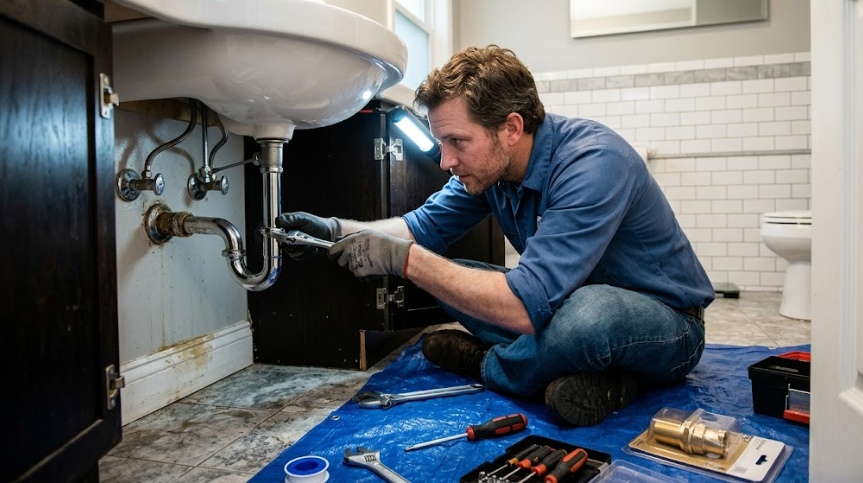
Once tiles and shower screens come off, extensive moisture exposure is quickly revealed: soft timber framing, blackened wall cavities, and crumbling substrate are all routinely present as findings. Many clients anticipate a straightforward retile. What we find instead is frequently a cavity that has been quietly saturating for years, with damage that would far surpass anything a surface inspection could find.
In this guide we look at what many renovators see behind bathroom walls of Perth homes and the warning signs that should be looked out for before work starts, and how a licensed renovation service like this makes a real difference when the job involves structural repairs, mould remediation, and waterproofing.
What We Find When We Strip Out Perth Bathrooms
We inspect the substrate, framing, and waterproofing membrane below the tile surface before we ever take off a single tile. In these older Perth homes, three enduring problems arise in the vast majority of homes we work on:
- Rotted timber framing: Residential homes in Kingsley, Edgewater and surrounding suburbs still come with untreated pine behind shower walls. We continue to expose wall studs that don’t serve any structural support and untreated timber and persistent moisture are a predictable combination.
- Failed substrate: Older bathrooms were often lined with regular plasterboard rather than compressed fibre cement sheet or tile backer board. After soaking up water, plasterboard swells, breaks down and loses bonding with tiles. We have walls where the substrate has totally disintegrated and the tiles are held together by only grout left on the edges.
- Mould growing behind tiles: Moisture comes in via cracked grout, failed silicone, or leaking penetrations around tapware and waste fittings. When we open the wall, the damage is rarely limited to a single site.
If you spot soft floors by the shower, hollow-sounding tiles, or grout that discolours multiple times, the substrate may already be compromised. Patching is not enough; that is, the damaged material has to be completely removed, the cavity dried and treated, and the area re-manufactured using a compliant substrate and waterproofing before re-tiling can commence.
AS 3740 — Waterproofing of Wet Areas Within Residential Buildings states that waterproofing shower areas and junctions to prevent types of hidden damage is essential.
The Mould Problem: What We Find and Why It Matters
We find mould forming behind the bathroom tiles of our renovated older Perth homes one of the most consistent findings. The two species we see most frequently, Cladosporium and Aspergillus, are not surface moulds that you clean off with a spray cleaner.
They are embedded into the cavities of the wall and on the substrate, sometimes throughout the full depth of the framing, and do well in precisely the warm, humid conditions that lie behind an unventilated shower wall. All affected framing and surfaces are treated with an appropriate biocide, full drying time allowed, and the area confirmed clear before new substrate is put in.
Tiling over active mould is not the solution but rather creates the conditions for it to persist; the next repair will cost more than this one. Most projects allow homeowners to remain in the home during remediation as the affected area is contained. If we see extensive growth that spans multiple cavities or floor framing, then we will tell you on the day that we open the wall.
Our Remediation Process: What Happens After We Find the Damage
Once hidden water damage is uncovered during a Perth bathroom renovation, we remediate the area fully before any new finishes go in. The table below sets out each step in our process.
| Step | What We Do | Outcome |
| 1. Structural repair and drying | Remove soft or rotten framing and replace with H3-treated timber. Dry the cavity fully before closing walls. | Solid framing and a dry wall cavity. |
| 2. Mould treatment | Apply biocide to all affected surfaces. Confirm full drying before substrate installation. | Mould eliminated before walls are closed. |
| 3. New substrate installation | Install compressed fibre cement sheet or tile backer board in all wet zones. | Stable, moisture-resistant base for tiling. |
| 4. Waterproofing to AS 3740 | Apply waterproofing membrane with reinforcement at corners and junctions, lapped at least 150 mm up walls. | Shower recess waterproofing built to standard. |
| 5. Water testing | Water-test the recess before tiling starts. | Confirms the membrane is fully sealed. |
| 6. Tiling, grout, and silicone | Tile installation with wet-area products, including epoxy grout where appropriate and wet-area silicone at all changes of plane. | A finished surface built for wet-area movement and long-term durability. |
This process is designed specifically for Perth bathrooms where water damage, rot, and mould are common behind older walls and shower recesses. We do not shortcut any step, and we do not tile over a surface until we are confident the substrate and waterproofing is correct. For more on what the renovation process can look like, check out our post on DIY vs professional bathroom renovation.
Why Perth Conditions Make Hidden Damage More Common
Perth’s climate, soils and housing stock make conditions ripe for stealth water damage not the least in bathrooms that have not been renovated since they were new.
- Warm climate with poor ventilation: Many of our older bathrooms have no working exhaust fan. The warmth of Perth means shower moisture condenses on cool wall surfaces and works into the gaps in grout or silicone. That warm-dry-warm seasonal cycle also accelerates movement of grout joints, creating tiny cracks that open up to water over the years.
- Houses built without modern waterproofing: Most suburban homes in Kingsley, Ocean Reef, Edgewater and nearby areas went up between the late 1970s and mid-1990s. These bathrooms used just grout and sealant. AS 3740 waterproofing provisions did not apply to these builds and whatever protection they possessed at installation is long gone.
- Movement of sandy soil and slab: Perth’s sandy soil shifts after extended dry periods, causing hairline cracks between the walls and floor in the most vulnerable portions of a wet area. We consider every junction between floor and wall to be a high-risk intersection on typical old Perth projects.
- Licensing and compliance in WA: Activities such as waterproofing, plumbing, drainage or structural alterations must meet the Building Regulations 2012 (WA) and must be carried out by licensed tradespeople. All our staff carry all relevant licences and we document every waterproofing installation we carry out and make sure that it’s in compliance.
Hidden damage in Perth bathrooms isn’t usually bad luck. More often, it’s a predictable result of ageing installations and homes built before modern wet area standards existed. A licensed renovation team is best placed to find that, fix it and properly document the work done correctly.
What It Costs to Ignore Hidden Damage
We routinely work with homeowners who got a quote from a tiler to retile without a full strip-out. In a similar bathroom, we’ve found substrate and framing damage that a renovation would tile straight over.
New tiles will appear good for a year or two, but moisture continues working behind the surface, the substrate gradually deteriorates and the eventual repair is much more complicated than would have been the case at first renovation. Ongoing mould growth inside a wall cavity is also a health issue for households with children, elderly residents and anyone with respiratory conditions.
It’d be far less problematic to tackle it properly now than to have it spread when the walls open again. We add remediation allowances into our quotes for older homes in Perth, so clients have a realistic picture of the full project scope before work begins – not a surprise variation once the walls are open.
Common Questions We Get Asked About Hidden Bathroom Damage
Hidden water damage is a major concern in older Perth bathrooms, particularly during renovations. Here are the questions we are most commonly asked before work begins.
- How can I tell if my bathroom has hidden water damage?
Signs include soft or springy floors near the shower, hollow-sounding tiles when tapped, recurring mould or a persistent musty smell and grout that discolours repeatedly despite cleaning.
Lifting silicone joints can also reveal moisture behind the tiles. If your bathroom was built before the mid-1990s and has not been renovated since, a pre-renovation inspection is strongly recommended before locking in the work.
- Can you tile over existing bathroom tiles?
No. Tiling over an existing wet area conceals any moisture issues already present behind the surface, including failed waterproofing or damaged substrate. If moisture is already present behind the original tiles, the new installation will fail sooner and the repairs will cost more.
We carry out a proper inspection before advising on scope, and we will always tell you if a full strip-out is the correct approach.
- Why does it matter to use a licensed bathroom renovation company rather than a tiler?
Tilers install tiles. They are generally not licensed to assess structural framing, apply waterproofing membranes or manage a renovation that involves structural repairs and mould remediation.
We manage the entire process from strip-out through structural repair, waterproofing to AS 3740, tiling and finishing. That means problems like rot and mould are addressed properly, not left in place behind a fresh tile surface.
- How long does hidden damage add to a renovation schedule?
A small substrate repair can add two to three days, depending on the extent of the damage. Significant structural repairs or mould remediation can add a week or more. We build remediation time into our project schedules for older Perth homes, so clients are not caught off guard by delays once work is underway.
- Is hidden water damage common in Perth bathrooms?
Yes. A large proportion of homes built between the 1970s and 1990s predate modern waterproofing requirements. Combined with Perth’s warm climate and ageing building materials, these homes carry a high likelihood of moisture damage behind tiles, particularly in shower recesses.
In our experience working across Perth’s northern suburbs, hidden damage in some form is the rule rather than the exception in bathrooms of this era.
We Are Based in Joondalup and Work Across Perth’s Northern Suburbs
Complete Bathroom Solutions is located at 31 Quinault Loop, Joondalup, which puts us close to the northern suburbs and coastal communities where much of our work is concentrated.
We work regularly in Kingsley, Edgewater, Ocean Reef, Currambine, Hillarys, Padbury, Duncraig, Heathridge, and surrounding suburbs. Most homes in these areas were built in the 1980s and 1990s, which means hidden water damage, failed waterproofing, and rotted framing are problems we address on a routine basis.
We know these suburbs and we know the building stock. When a client in Padbury or Ocean Reef contacts us about a bathroom renovation, we already have a good sense of what is likely behind the walls, because we have opened hundreds of bathrooms in homes from the same era and the same builders. That local knowledge feeds directly into how we scope projects, how we communicate with clients before work starts, and how we price remediation allowances into quotes.
Ready to Find Out What Is Behind Your Bathroom Walls?
If you are planning a bathroom renovation in Perth’s northern suburbs, we encourage you to speak with us before accepting a quote from a tiler or handyman. We carry out pre-renovation assessments as part of our standard quoting process, and we give you an honest picture of the full project scope before any work begins.
Our bathroom renovation services cover everything from strip-out to completion, including all structural remediation, mould treatment, waterproofing, tiling, and fixtures. For homeowners in older Perth homes, our complete renovation process means no hidden surprises once the walls come down or at least, none we are not fully equipped to handle.
Contact Complete Bathroom Solutions at 31 Quinault Loop, Joondalup, to arrange an assessment. We are local and licensed.